This brief focuses on consumers’ understanding of health insurance costs and examines existing federal protections that seek to address barriers to understanding the cost of coverage and care, such as price transparency, self-service price estimator tools, and simplifying cost-sharing designs.
Navigating the Maze: A Look at Patient Cost-Sharing Complexities and Consumer Protections
Related Post

How Might Expiring Premium Tax Credits Impact People with HIV?
This issue brief provides an overview of the potential impact not extending enhanced ACA premium tax credits could have on ...
Deductibles in ACA Marketplace Plans, 2014-2026
This analysis documents average deductibles for Affordable Care Act Marketplace plans available on Healthcare.gov in 2026 for all metal tiers, ...

Health Policy in 2026
In a new column, President and CEO Dr. Drew Altman forecasts eight things to look for in health policy in ...
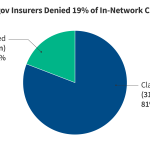
Claims Denials and Appeals in ACA Marketplace Plans in 2023
This brief analyzes federal transparency data released by the Centers for Medicare and Medicaid Services (CMS) on claims denials and ...
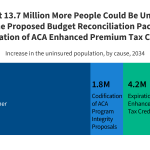
How Will the 2025 Budget Reconciliation Affect the ACA, Medicaid, and the Uninsured Rate?
This analysis details the number of people who would become uninsured from policy changes in the ACA Marketplace and Medicaid. ...
We’ve Never Seen Health Care Cuts This Big
In this July 1 column for The New York Times Opinion section, KFF Executive Vice President for Health Policy Larry ...

Employer Health Benefits Annual Survey Archives
KFF has conducted this annual survey since 1999. ...
The Performance of the Federal Independent Dispute Resolution Process through Mid-2024
The No Surprises Act, which was signed into law by President Trump during his first term and took effect in ...
The Semi-Sad Prospects for Controlling Employer Health Care Costs
In a commentary on KFF’s 27th employer health benefits survey, President and CEO Dr. Drew Altman discusses the obstacles employers ...

Over-the-Counter Oral Contraceptive Pills
Oral contraceptives are the most commonly used method of reversible contraception in the U.S. In July 2023, the FDA approved ...