Promoting price transparency in health care is a policy approach with bi-partisan support in Congress and the public at large. This analysis examines the vast troves of price transparency data that payers are required and finds unlikely prices, inconsistencies, and other oddities that pose major challenges for efforts to use it to promote competition and drive down prices.
Challenges with Effective Price Transparency Analyses
Related Post

Average Annual Employee-Plus-One Premium per Enrolled Employee For Employer-Based Health Insurance
...
Marketplace Enrollees with Unpredictable Incomes Could Face Bigger Penalties Under House Reconciliation Bill Provision
This analysis illustrates how provisions included in the House budget reconciliation bill could expose Marketplace enrollees with unpredictable incomes to ...
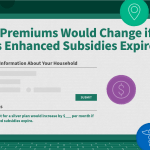
How Much More Would People Pay in Premiums if the ACA’s Enhanced Subsidies Expired?
With the enhanced subsidies for enrollees in ACA Marketplace plans set to expire at the end of 2025, this calculator ...
Average Annual Single Premium per Enrolled Employee For Employer-Based Health Insurance
...
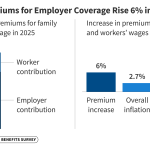
Annual Family Premiums for Employer Coverage Rise 6% in 2025, Nearing $27,000, with Workers Paying $6,850 Toward Premiums Out of Their Paychecks
Family premiums for employer-sponsored health insurance reached an average of $26,993 this year, KFF’s annual benchmark health benefits survey of large ...
The Performance of the Federal Independent Dispute Resolution Process through Mid-2024
The No Surprises Act, which was signed into law by President Trump during his first term and took effect in ...

Access to OB-GYNs: Evaluating Workforce Supply and ACA Marketplace Networks
This brief examines the supply of OB-GYNs in the U.S. and the share of OB-GYNs participating in the provider networks ...
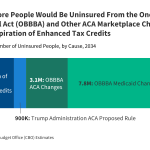
How Will the One Big Beautiful Bill Act Affect the ACA, Medicaid, and the Uninsured Rate?
This analysis details the number of people who would become uninsured from policy changes in the ACA Marketplaces and Medicaid. ...