This analysis looks at the share of family income people with employer-based coverage pay toward their premiums and out-of-pocket payments for medical care. The cost of employer sponsored health insurance—including premiums, deductibles, and other out-of-pocket costs—has risen steadily over time.
How Affordability of Employer Coverage Varies by Family Income
Related Post
Claims Denials and Appeals in ACA Marketplace Plans in 2023
This brief analyzes federal transparency data released by the Centers for Medicare and Medicaid Services (CMS) on claims denials and ...
How Does the Department of Health and Human Services (HHS) Impact Health and Health Care?
This policy watch provides a short overview of the Department of Health and Human Services (HHS), describing its history, budget, ...

Implementation Dates for 2025 Budget Reconciliation Law
This searchable timeline shows the implementation date for the health care provisions included in the 2025 federal budget reconciliation law. ...
Perspectives from Employers on the Costs and Issues Associated with Covering GLP-1 Agonists for Weight Loss
While more large employers are covering GLP-1 drugs for weight loss, KFF’s conversations with employers highlight concerns about the cost ...
We’ve Never Seen Health Care Cuts This Big
In this July 1 column for The New York Times Opinion section, KFF Executive Vice President for Health Policy Larry ...
How Much More Would People Pay in Premiums if the ACA’s Enhanced Subsidies Expired?
With the enhanced subsidies for enrollees in ACA Marketplace plans set to expire at the end of 2025, this calculator ...

Percent of Private Sector Establishments That Offer Health Insurance to Employees
...
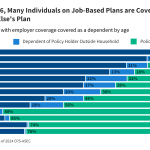
Dependent Coverage for Young Adults in Employer-Sponsored Health Plans
Young adults, particularly those ages 18-25, are more likely to be covered as dependents than adults overall (72% vs. 32%). ...
Employer-Sponsored Coverage Rates for People Ages 0-64 by Federal Poverty Level (FPL)
...