In this July 1 column for The New York Times Opinion section, KFF Executive Vice President for Health Policy Larry Levitt explains how the budget reconciliation bill passed by the Senate on July 1 is effectively a partial repeal of the Affordable Care Act (ACA) and, if signed into law, the resulting reductions in Medicaid…More
We’ve Never Seen Health Care Cuts This Big
Related Post
Health Costs Associated with Pregnancy, Childbirth, and Infant Care
This analysis examines the health costs associated with pregnancy, childbirth, post-partum care, and infancy. It finds that health costs associated ...
The Performance of the Federal Independent Dispute Resolution Process through Mid-2024
The No Surprises Act, which was signed into law by President Trump during his first term and took effect in ...

Annual Family Premiums for Employer Coverage Rise 7% to Average $25,572 in 2024, Benchmark Survey Finds, After Also Rising 7% Last Year
Family premiums for employer-sponsored health insurance rose 7% this year to reach an average of $25,572 annually, KFF’s 2024 benchmark ...

Over-the-Counter Oral Contraceptive Pills
Oral contraceptives are the most commonly used method of reversible contraception in the U.S. In July 2023, the FDA approved ...
The Semi-Sad Prospects for Controlling Employer Health Care Costs
In a commentary on KFF’s 27th employer health benefits survey, President and CEO Dr. Drew Altman discusses the obstacles employers ...

Premiums and Worker Contributions Among Workers Covered by Employer-Sponsored Coverage, 1999-2025
Since 1999, the Employer Health Benefits Survey has documented trends in employer-sponsored health insurance. Every year, private and non-federal public ...
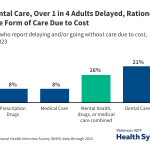
How Does Cost Affect Access to Care?
This slideshow examines how cost and insurance affects people’s access to care, including decisions to forgo or delay needed care ...